Maintenance Tips

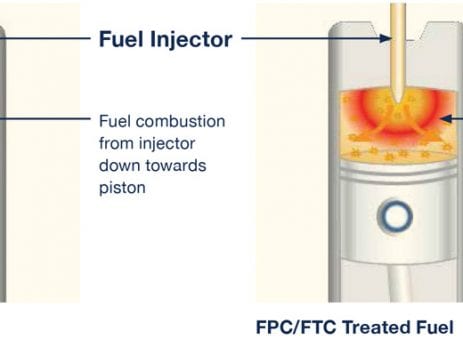
How does FTC Decarbonizer work?

What is FTC Decarbonizer? FTC Decarbonizer is a combustion enhancer that readily disperses through fuel to play a catalytic role during the combustion process. As scientifically accepted, some elements act as catalysts and help promote combustion. FTC Decarbonizer contains Ferrous Picrate, which produces Fe++ ions — proven to be one of...
Bulk fuel treatment that delivers results!

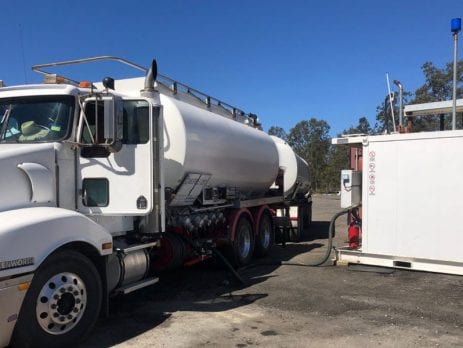
As a fleet operator or large diesel user, you’ll undoubtedly have an ongoing interest in keeping your operating costs under control. A quality bulk fuel treatment is one of the most effective ways to do it. At Cost Effective Maintenance, we can help by offering proven cost-reduction initiatives. Many bulk...

Diesel particulate filter problems: How to solve them

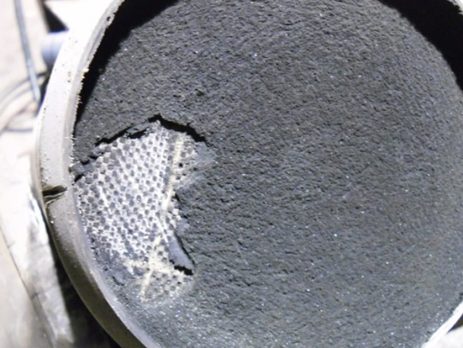
A diesel particulate filter (DPF) is an effective means of minimising emissions of dangerous fine particles in exhaust gases. But in reality, a DPF only traps the soot after it’s formed — and it brings with it a whole new range of expensive, annoying and inconvenient problems. Short answer: most DPF...

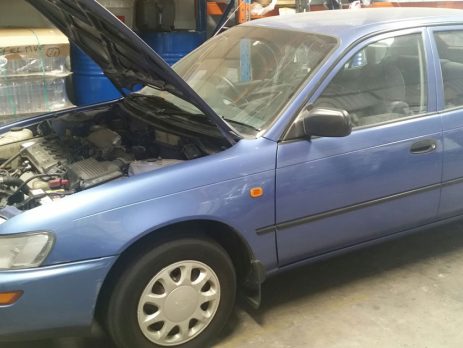
Fix low compression on a Toyota engine

At CEM, one of the most common things we get asked about is stuck rings — and how to fix low compression on an engine. So when we saw this old 1997 Toyota Corolla on its way to the wreckers, we thought it could be an easy save! Short answer: low...

How to fix flooded vehicles and machinery

Been caught in the floods and need to know how to fix flooded vehicles and machinery? By following these step-by-step instructions, you can save engines, transmissions and other components from flood-water damage. Short answer: the key to recovering flood-damaged engines, transmissions and diffs is to act fast and coat the metal...

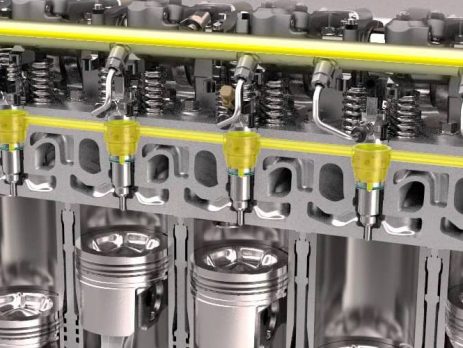
Common rail diesel problems: how to understand and resolve them

Common rail diesels have been with us for many years now, and there’s no sign of their problems abating. Almost all common rail diesel problems are expensive, which makes preventative maintenance a very valuable investment for your vehicle. Since so many of our customers own common rail diesels, Jimmy and...

Black diesel smoke causes wear

Black Diesel Smoke Causes Engine Wear That’s because the same abrasive soot particles that make up black diesel smoke also get into the oil, where they act as a grinding paste — slowly but insidiously wearing away metal from every lubricated part of the engine. But just by using FTC...

Clean diesel oil – is it achievable?

The answer is yes. Clean diesel oil is achievable — and maintainable — when you use the right products. At Cost Effective Maintenance we practise what we preach, and part of that is keeping our own vehicles much longer than normal. This lets us demonstrate the real potential for improved...

Biodiesel: Mitsubishi Triton run on chicken fat!

“You fed your Mitsubishi Triton diesel chicken fat? And now you tell me it’s feeling sick?” Well I have to admit, I felt a bit sick too when Gene from Queensland told us what he'd done to his Mitsubishi Triton that he was running on chicken fat. Before we get started, I...

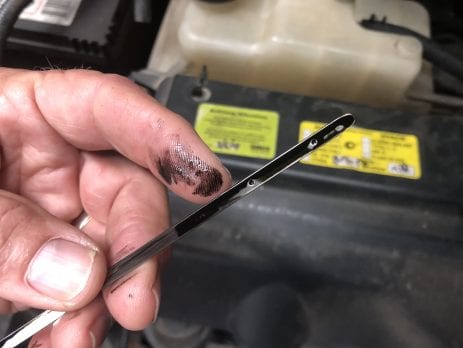
My diesel has black oil after an oil change.

One of the most common questions we hear from diesel owners is: “My engine gets black oil again quickly after I do an oil change — why is it doing this, and is it normal?” It’s very common, and while a lot of our customers believed it was normal, they...

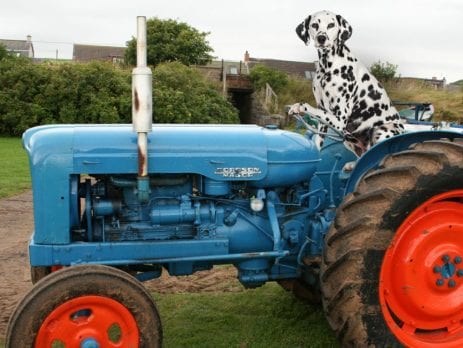
Tractor spits oil out the exhaust

“My Old Fordson Major Spits Oil From the Exhaust!” “I look like a bloody Dalmatian after driving it for an hour!” Short answer: an old tractor pushing oil out the exhaust often isn’t mechanically damaged — it’s fouled up with carbon, sludge and sticking piston rings. Cleaning it up first with FTC...

Blowby in trucks… Does it mean a rebuild?

“My truck has blowby and Cummins says it needs a rebuild…” This is a very common complaint Jimmy and I hear from truckies: their engine is performing well, but the blowby is bad. Wear around the piston rings, grooves and liners will certainly account for the excessive crankcase pressure that shows...

“I filled my common rail diesel with petrol! What can I do now?”

Don’t laugh — a diesel filled with petrol is more common than you think, especially if you’re refuelling at an unfamiliar outlet and you’re in a hurry. (Admittedly, I’ve done it myself!) Common rail diesel engines (CRDs) have incredibly fine tolerances, operate at extremely high pressure, and are intolerant of...